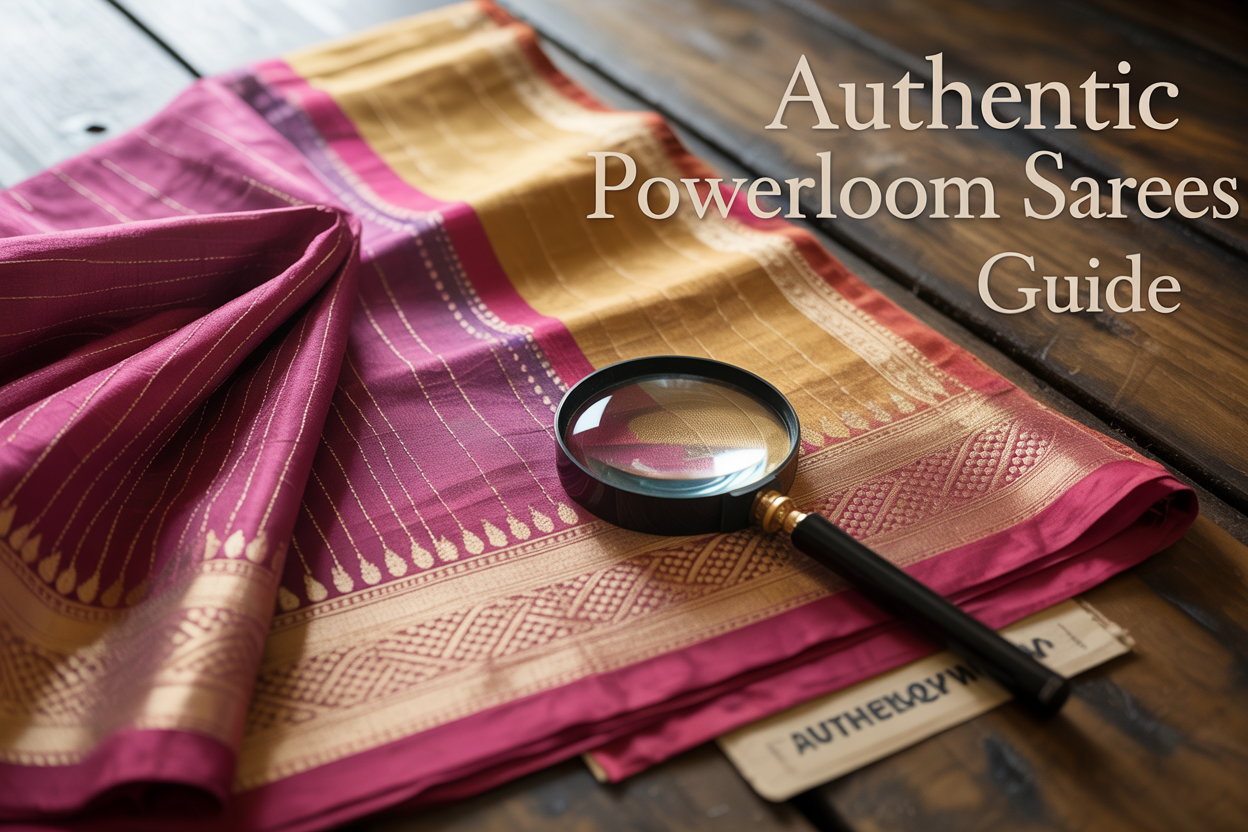
Some days, when I open my wardrobe, I feel like I am not just looking at clothes. I am looking at memories. Sarees, especially, carry emotions in a way no other outfit does. They remind me of weddings, festivals, temple visits, family gatherings, and quiet afternoons spent watching my mother fold her sarees with careful hands.
In Indian traditions, sarees are deeply emotional. They are not worn randomly. They are chosen with intention. A bright silk for celebrations. A soft cotton for summer days. A rich weave for weddings. Many of these choices feel natural to us now, but if we think carefully, they are often shaped by beliefs passed down through generations. Some are rituals. Some are customs. And some are quiet superstitions that still influence us even when we do not realize it.

Sometimes I wonder, what if the saree we pick says more than we think it does? What if the color, border, or weave carries stories that existed long before we wore them?
This thought stayed with me the day I reached for a white saree.
The White Saree That Made Me Pause
White has always felt complicated in our culture. Beautiful, yet cautious. Pure, yet restricted.
Growing up, I rarely saw white sarees worn during celebrations in my family. Weddings meant red, maroon, gold, or bright pink. Festivals meant yellow or green. White was kept aside, almost untouched, as it belonged to another kind of moment.

Somewhere along the way, I learned that white sarees were strongly connected to mourning. Widows in many communities traditionally wore plain white sarees, without bright borders or embellishments. The idea was that color represented life, desire, and celebration. White represented detachment and silence.
Even as a child, I sensed the weight of that belief.
There was an unspoken rule. Do not wear plain white to a happy occasion. It was not written anywhere, but everyone seemed to know it.

The Superstition Around White
Many families still believe that wearing a plain white saree to weddings or festive rituals can bring bad luck or sadness. It is thought to invite negative energy or disturb the joyful mood of the occasion.
I remember once suggesting a white saree for a festive gathering. The reaction was immediate. Someone gently said, “White is not for celebrations.” It was not said harshly. It was said like advice passed down with care.
Yet what fascinated me was how the same color carried different meanings across regions.
In Bengal and Kerala, white sarees with gold borders are worn proudly during festivals. A white and gold Kasavu saree during Onam is considered auspicious and joyful. Bengali women wear white sarees with red borders during Durga Puja, celebrating strength and femininity.
So how did one color become both sacred and restricted at the same time?
That contradiction is what makes saree superstitions so fascinating.

White as Purity, Not Just Absence
Some elders say white represents purity and calmness. It reflects simplicity and spiritual focus. During certain religious rituals, wearing white is encouraged because it symbolizes clarity of mind and devotion.
But over time, purity slowly became associated with mourning in many communities. What began as a symbol of peace turned into a color people feared wearing at the wrong moment.
It makes me wonder how many traditions began with meaning and slowly turned into rules.

Breaking the Silence Around White
The day I finally wore my white saree felt strangely bold. Not rebellious in a loud way, but quietly confident. I paired it with silver jewelry and a soft smile that came from somewhere deep inside.
Nothing bad happened. No misfortune followed. Instead, I felt calm, graceful, and unexpectedly powerful.
White did not feel empty. It felt peaceful.
It made me realize how often we inherit fears without questioning them. And how sometimes, wearing a color can feel like rewriting a small piece of tradition.
The Saree That Carries Hidden Meanings
White sarees remind me that colors are never just colors in Indian traditions. They are symbols, memories, and sometimes silent warnings passed from one generation to the next.
Maybe that is what makes sarees so magical. They hold stories that we may never fully understand, yet we continue to carry them forward.
Now, whenever I see a white saree, I no longer think only of mourning. I think of purity, strength, and quiet courage.
And sometimes, when I fold my sarees back into the cupboard at the end of the day, I wonder again.
What if every saree in my wardrobe is holding a secret meaning that I am only beginning to discover?